A walk in shower has become one of the defining features of modern bathroom design. Clean, open and highly practical, it offers a more refined alternative to traditional enclosed shower units, particularly in contemporary homes and high-end renovations.
Whether you’re redesigning a compact bathroom or planning a larger, more luxurious space, choosing the right walk-in shower involves more than just aesthetics. Layout, drainage, materials and overall usability all play an important role in how the space performs over time.
This guide explains how walk-in shower enclosures and cubicles work, what options are available, and what to consider before committing to a design.
What Defines a Walk In Shower?
At its simplest, a walk in shower removes the barriers typically associated with standard enclosures.
Instead of stepping into a fully enclosed cubicle, the space is designed to feel open, often with a single glass panel, a low-profile tray or level-access floor, and minimal visual interruption.
The result is a shower that:
- Feels more spacious
- Is easier to access
- Integrates seamlessly with the rest of the bathroom
In many modern homes, this approach creates a far more architectural and considered finish.
Walk In Shower Enclosures vs Cubicles
Although often grouped together, there is a subtle but important distinction between the two.
A walk-in shower enclosure typically refers to a more open layout, usually defined by one or two glass panels, without a door. These designs work particularly well in larger bathrooms where space allows for a more relaxed, open feel.
Walk-in shower cubicles, on the other hand, introduce a slightly greater level of enclosure. They may still avoid a traditional door but are designed to offer more structure and improved water containment. This makes them a practical option for smaller bathrooms where splashing needs to be more carefully controlled.
Design Approaches for Walk In Showers
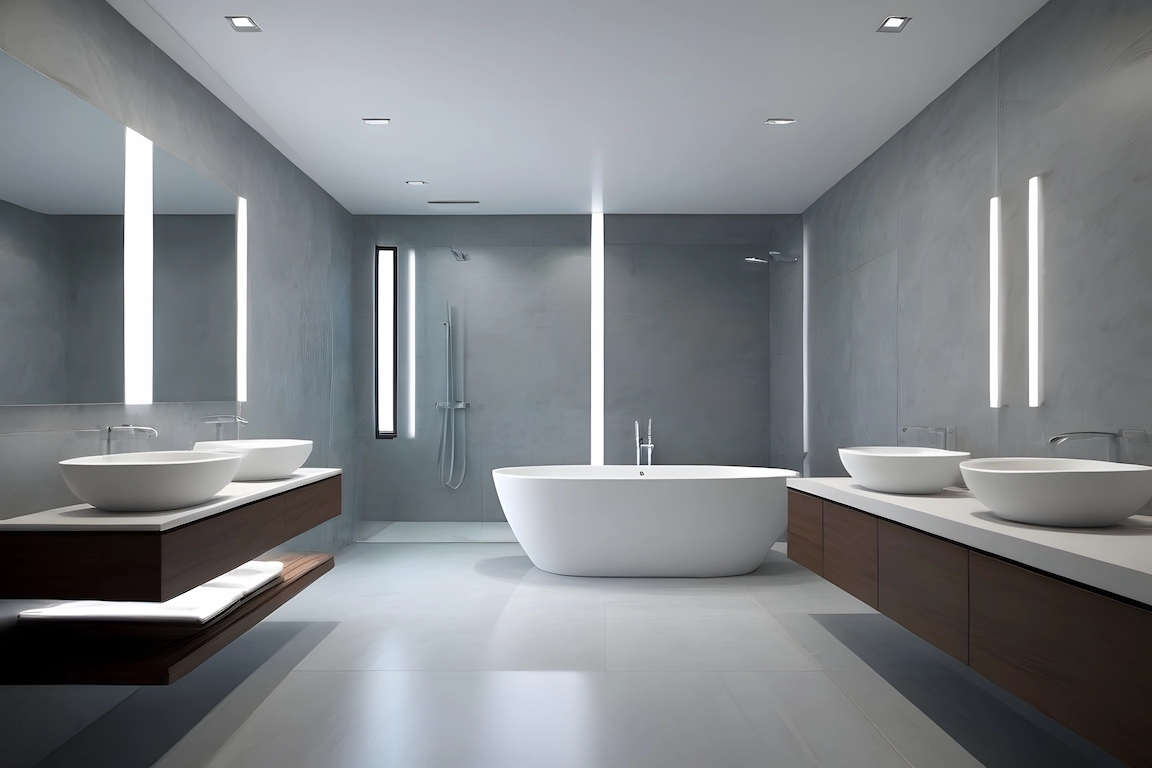

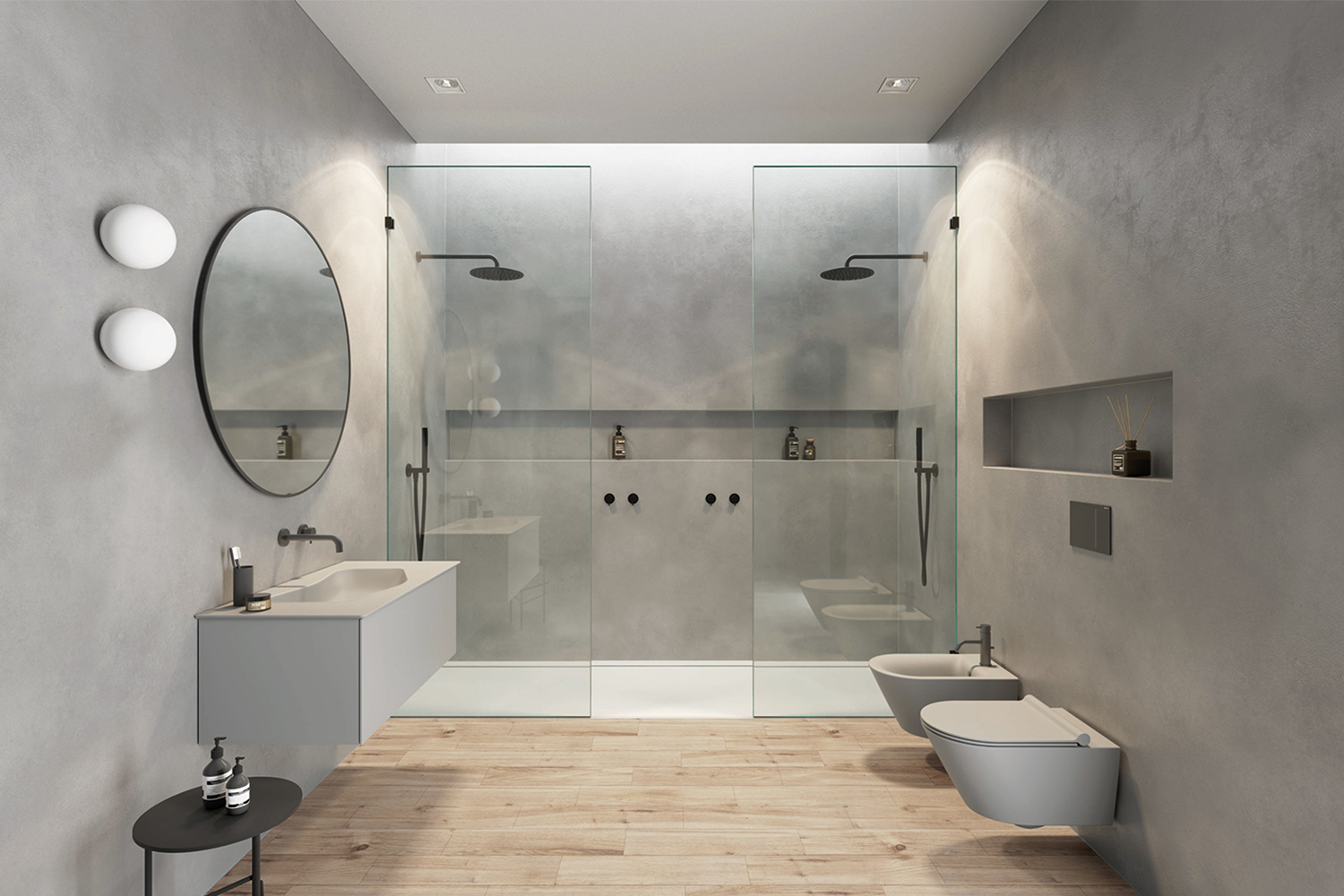
Walk-in showers can be adapted to suit almost any type of space, from compact layouts to expansive open-plan bathrooms.
A single glass panel is often the most minimal approach, creating a clean, uninterrupted look. In contrast, adding a return panel introduces a subtle sense of enclosure while still maintaining an open feel.
Corner layouts tend to be the most practical in smaller bathrooms, making efficient use of existing walls. In larger spaces, wet room-style designs, where the floor is fully level and open, create a more seamless, architectural result.
How Much Space Do You Need?
While walk-in showers are often associated with large bathrooms, they can work well in a range of layouts when designed correctly.
In smaller spaces, careful positioning and thoughtful proportions are essential. In larger bathrooms, increasing the size of the shower area not only improves comfort but also enhances the overall sense of luxury.
As a general guide, anything below 800mm in width can begin to feel restrictive, while more generous layouts allow for a far more comfortable experience.
Cost Considerations
The cost of a walk in shower can vary significantly depending on the specification.
A simple installation using standard materials will naturally sit at the lower end, while larger layouts with premium finishes, bespoke glass, and high-end brassware can increase the overall investment.
It’s also worth noting that the shower itself is only one part of the total project. Tiling, drainage preparation, waterproofing and installation all contribute to the final cost.
For a clearer understanding of overall project pricing, it’s helpful to consider how much a bathroom renovation costs as a whole rather than focusing solely on the shower area.
Practical Considerations Before Installation
While walk-in showers are visually appealing, their success depends heavily on good design.
Water control is one of the most important factors. The position of the shower head, the size of the space, and the inclusion of features such as return panels all influence how well water is contained.
Drainage is equally important, particularly in level-access designs. Proper falls and waterproofing ensure long-term performance and prevent issues later on.
Heating and ventilation should also be considered early in the design process. These elements contribute significantly to comfort and usability.
Walk In Showers in Surrey Homes
Across Surrey, walk-in showers are increasingly being used in both contemporary extensions and full bathroom renovations.
They work particularly well in:
- Open-plan bathroom layouts
- En-suite upgrades
- Larger master bathrooms
Many homeowners combine them with natural stone or large-format tiles, frameless glass, and high-quality brassware to create a more refined finish.
You can see how these elements come together in real spaces by exploring luxury bathrooms in Surrey.
Walk In Shower vs Traditional Shower Enclosure
| Feature | Walk In Shower | Traditional Enclosure |
|---|---|---|
| Accessibility | Excellent | Limited |
| Maintenance | Easy | Moderate |
| Style | Modern | Traditional |
| Water containment | Needs planning | Fully enclosed |
| Space feel | Open | Compact |
Final Thoughts
A walk in shower is more than just a design trend — it’s a practical, long-term investment that can improve both the look and functionality of a bathroom.
The key is ensuring the design is tailored to the space, with careful consideration given to layout, drainage, and material choices.
If you’re exploring options, working with experienced bathroom design services can help ensure the final result is both visually striking and built to last.
FAQs About Walk In Showers
Are walk in showers suitable for small bathrooms?
Yes, with careful design. A corner walk-in or return panel layout works well in compact spaces.
Do walk in showers get cold?
Proper positioning and good heating (such as underfloor heating) minimise this issue.
Do I need a full wet room?
Not always. Many walk-in showers use trays with excellent results.