
On this page
The kitchen is often considered the most important room in the home central to daily life, entertaining, and overall property value. Whether you’re designing from the ground up or upgrading an existing space, selecting the right kitchen supplier is a pivotal decision. It influences not only the visual impact of your home but also long-term satisfaction and functionality.
With an increasing number of premium suppliers on the market, clarity is essential. This guide outlines the top names in the industry and the key considerations when embarking on a kitchen project.
What to Consider When Choosing a Kitchen Supplier
Choosing a kitchen supplier is not just about design. It’s about experience, delivery, and ongoing support. Here are some practical factors to weigh up:
- Lead Times: Bespoke kitchens can take between 10 to 20 weeks from design approval to installation. Plan accordingly, particularly if coordinating with a larger renovation or new build.
- Customisation: Some suppliers offer full bespoke joinery; others work within modular ranges. The level of flexibility matters, especially for awkward layouts or period properties.
- Installation: A kitchen is only as good as its fitting. Top-tier suppliers often work with their own trained installers to ensure precision and accountability.
- Aftercare: Post-installation support for adjustments, touch-ups, or maintenance adds long-term value and peace of mind.
- Project Management: Many premium suppliers offer a design-to-installation service that includes liaising with architects, builders, and interior designers.
Best Kitchen Suppliers in the UK

1. Bulthaup – Minimalist German Engineering
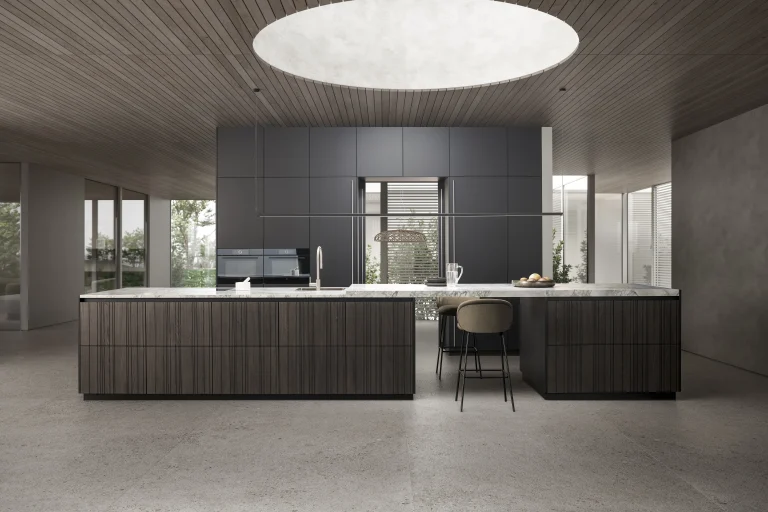
Known for: Architectural precision, seamless cabinetry, and clean lines. Bulthaup delivers sleek, minimalist kitchens with German engineering at their core. Their work is centred on ergonomics, spatial flow, and high-end finishes.
Best for: Contemporary properties, open-plan designs, and clients prioritising function over ornamentation.

2. Smallbone of Devizes – Handmade British Craftsmanship
Known for: Bespoke cabinetry, traditional joinery, and timeless appeal. Handcrafted in Wiltshire, Smallbone’s kitchens are known for rich materials and classic detailing, often blending seamlessly into period homes.
Best for: Georgian townhouses, country estates, or any space where character and quality must go hand in hand.

3 . Poggenpohl – Luxury Meets Practicality
Known for: Heritage craftsmanship and custom layouts. Poggenpohl combines modern design with precision manufacturing. Their designs are highly adaptable, working well in both compact and large-scale spaces.
Best for: Efficient, ergonomic kitchens with a high-spec finish.

4. deVOL Kitchens – Design-Led with a Personal Touch
Known for: Hand-painted finishes, rustic charm, and creative detail. deVOL offers a curated, artisan approach, blending British joinery with expressive design. Freestanding elements and tactile materials are part of the appeal.
Best for: Farmhouses, conversions, or homes with a softer, more personal aesthetic.

5. Plain English – Understated Elegance
Known for: Heritage-inspired design with muted palettes and period references. Each kitchen is hand-built in Suffolk with an emphasis on classical proportion and restraint. Their work complements traditional architecture and understated interiors.
Best for: Those seeking a timeless look with impeccable craftsmanship.
Design Trends in High-End Kitchens
Recent trends reflect a move towards kitchens that feel less “fitted” and more like furnished living spaces. Key developments include:
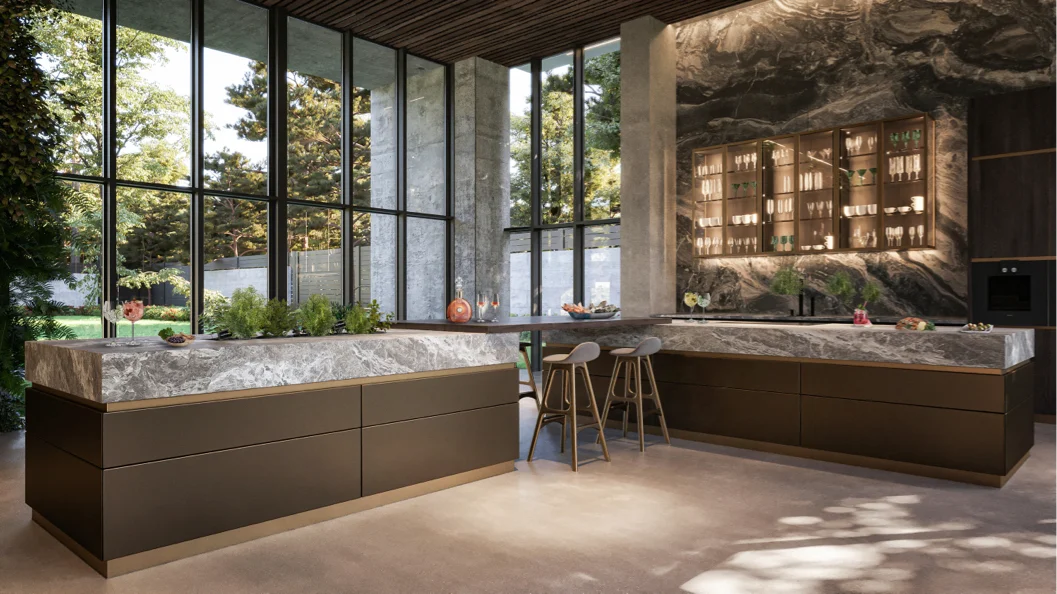
- Natural Finishes: Stone, brushed brass, and lime-washed wood continue to dominate.
- Open Shelving: Integrated display areas soften the overall kitchen environment.
- Concealed Functionality: Pocket doors and appliance garages maintain a clean aesthetic.
- Mixed Materials: Combining metals, timbers, and textures for layered, tailored looks.
These elements allow the kitchen to blend more seamlessly into open-plan environments and multifunctional homes.
Installation and Project Management: Why It Matters
Even the finest kitchen design can be compromised by poor installation. The best suppliers manage the entire process—including site visits, dry fit checks, and final installation sign-off. Ask who will be handling the fitting and whether they’re in-house or subcontracted.
Also consider whether the supplier offers project liaison with your builder, interior designer, or architect. Integrated project management saves time, reduces miscommunication, and protects your investment.
Appliance Integration: Choosing the Right Partners
Appliances are integral to the functionality of a premium kitchen. Top suppliers often work closely with high-end appliance brands, including:
- Gaggenau – Known for industrial-grade performance and refined design.
- Miele – Reliable, tech-forward, and discreet.
- Sub-Zero & Wolf – A favourite for large-scale refrigeration and precision cooking.
Make sure your kitchen supplier accommodates appliance specifications early in the design stage. This prevents retrofits and ensures seamless integration.
Frequently Asked Questions
1. How long does it take to complete a premium kitchen from start to finish?
From initial design to final installation, the process can take anywhere from 10 to 20 weeks. This depends on the level of customisation, supplier lead times, and whether building works are required. Bespoke kitchens typically have longer timelines due to handcrafting and site-specific detailing.
2. Do kitchen suppliers provide appliances, or do I need to source those separately?
Most high-end suppliers will either source appliances on your behalf or work closely with appliance specialists. Brands like Gaggenau, Sub-Zero, Miele, and Siemens are commonly integrated into their designs. It’s important to confirm early on whether appliance procurement is included in your quote.
3. What’s the difference between a kitchen designer and a kitchen supplier?
A kitchen designer creates the layout and aesthetic concept, whereas the supplier manufactures and delivers the physical product. Many of the best suppliers offer both design and production under one roof, streamlining the entire process and reducing room for error.


