
On this page
Choosing a new kitchen is a major investment, and one of the most common decisions homeowners face is whether to opt for a German kitchen or a British kitchen. Both have strong reputations, but they differ significantly in how they’re designed, manufactured, priced, and how they perform over time.
In this guide, we compare German kitchens vs British kitchens honestly and clearly — covering design approach, build quality, cost, longevity, and which option suits different types of homes and lifestyles.
If you’re planning a kitchen renovation and want to make a confident, informed decision, this comparison will help you understand which route is right for you.
Design Philosophy: Precision vs Craft
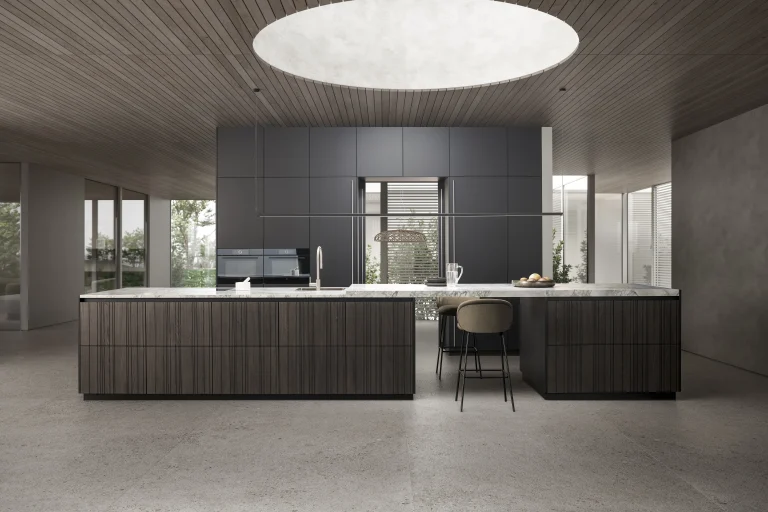
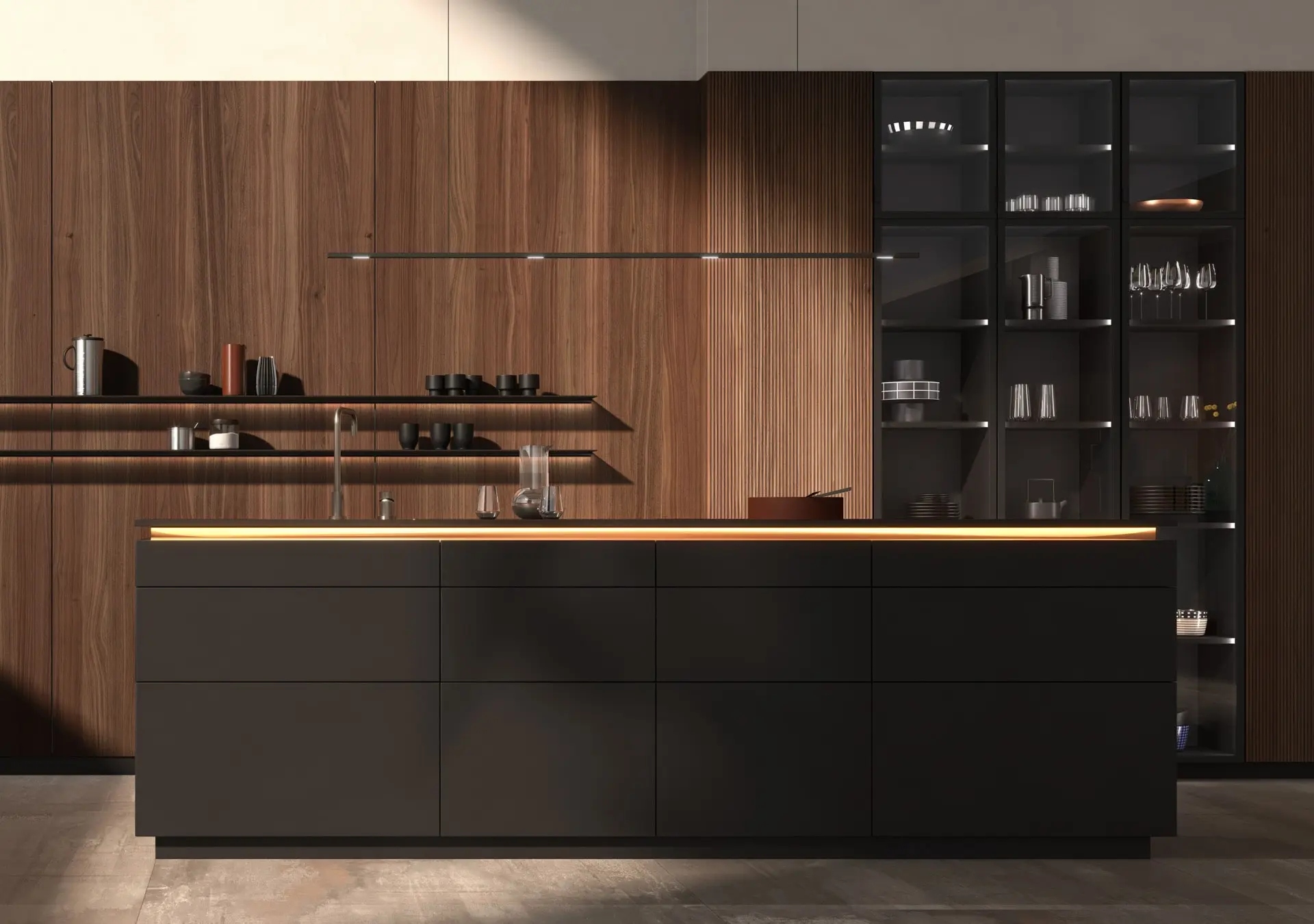
German Kitchen Design
German kitchens are built around engineering, precision, and efficiency.
They typically feature:
- Clean, modern lines
- Handleless or integrated handle designs
- Consistent cabinet sizing and alignment
- Intelligent storage focused on workflow and ergonomics
Designs are modular but highly configurable, making them ideal for:
- Contemporary homes
- Open-plan living
- Minimalist interiors
German kitchens prioritise function first, with aesthetics refined through proportion and detail.
British Kitchen Design
British kitchens often focus on style and craftsmanship, particularly in traditional or classic designs.
Common features include:
- Shaker or in-frame cabinetry
- Decorative detailing
- Painted finishes
- A more furniture-style appearance
British kitchens suit:
- Period properties
- Country homes
- Clients seeking character and individuality
The design emphasis is more on visual warmth and custom styling than uniformity.
Build Quality & Construction
German Kitchens
German kitchens are factory-manufactured using highly controlled processes.
Key construction characteristics:
- Thicker cabinet carcasses
- Fully enclosed cabinet backs
- Precision-engineered hinges and runners
- Consistent quality across every unit
This results in:
- Excellent durability
- Smooth operation over time
- Fewer alignment or fitting issues
British Kitchens
Build quality varies significantly depending on the manufacturer.
- High-end British kitchens can be exceptionally well made
- Entry-level options may use thinner materials or assembled units
- Quality often depends on the skill of the installer
Handmade British kitchens offer flexibility but can introduce variability.
| Kitchen Type | Typical Price Range |
|---|---|
| Entry-level British kitchen | £15,000 – £25,000 |
| Mid-range British kitchen | £25,000 – £40,000 |
| Entry-level German kitchen | £20,000 – £30,000 |
| Mid-range German kitchen | £30,000 – £50,000 |
| High-end German kitchen | £50,000 – £80,000+ |
German kitchens often appear more expensive initially, but the comparison isn’t always like-for-like. Many features considered “extras” in British kitchens are included as standard in German systems.
For a deeper breakdown, see our guide on how much a German kitchen costs in the UK.
Longevity & Long-Term Value
German Kitchens
German kitchens are designed to last 20–30 years or more with normal use.
They are built for:
- Heavy daily use
- Family living
- Long-term ownership
This makes them particularly appealing for homeowners planning to stay in their property long-term.
British Kitchens
Longevity varies widely:
- Handmade, premium British kitchens can last decades
- Lower-cost options may show wear after 10–15 years
Maintenance and repainting are often required sooner, especially with painted finishes.
Storage & Functionality
German kitchens excel in internal functionality.
Common features include:
- Full-extension drawers
- Anti-slip drawer interiors
- Integrated waste and recycling systems
- Corner solutions designed for accessibility
British kitchens may offer similar features, but they are often optional upgrades rather than standard inclusions.
Which Kitchen Is Right for You?
Choose a German kitchen if you:
- Prefer modern or contemporary design
- Value longevity and precision
- Want integrated storage and efficiency
- Are investing in a long-term home
- Want predictable quality and finish
Choose a British kitchen if you:
- Own a period or character property
- Prefer traditional or decorative styling
- Want handcrafted or bespoke detailing
- Are prioritising aesthetic individuality
Neither option is “better” — the right choice depends on how you live and what you value most.
German vs British Kitchens in Surrey Homes
In Surrey, many homes combine space, modern extensions, and open-plan layouts, which often lends itself to German kitchen design. However, traditional properties and countryside homes frequently suit British kitchens beautifully.
Working with a specialist showroom allows you to:
- Compare both styles side-by-side
- Understand true cost differences
- Choose finishes that suit your property, not just trends
Why Design & Installation Matter More Than the Kitchen Origin
Whether you choose German or British, the final result depends heavily on:
- Quality of design planning
- Understanding of your space
- Technical installation expertise
- Aftercare and long-term support
A well-designed kitchen will always outperform a poorly planned one — regardless of where it’s made.
FAQs
Are German kitchens always more expensive than British kitchens?
Not always. When comparing like-for-like specifications, the difference is often smaller than expected.
Do German kitchens suit traditional homes?
They can, particularly with warmer finishes and subtle detailing, but British kitchens often suit period properties more naturally.
Which adds more value to a home?
Both can add value if well designed. Buyers increasingly favour durable, modern kitchens with intelligent storage.
Considering a New Kitchen?
If you’re weighing up German vs British kitchens, visiting a showroom can make the decision far clearer. Seeing real displays, finishes, and layouts helps translate theory into reality and ensures the final design works for your home.


